BioCentral IB


C2.1.1
A protein shaped to fit one signal
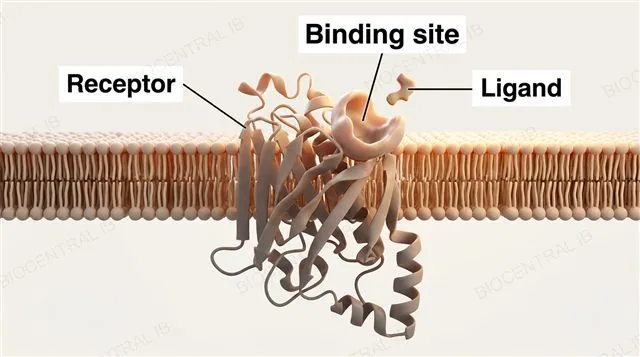
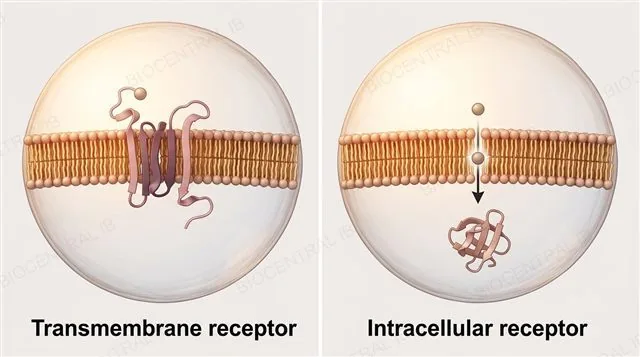
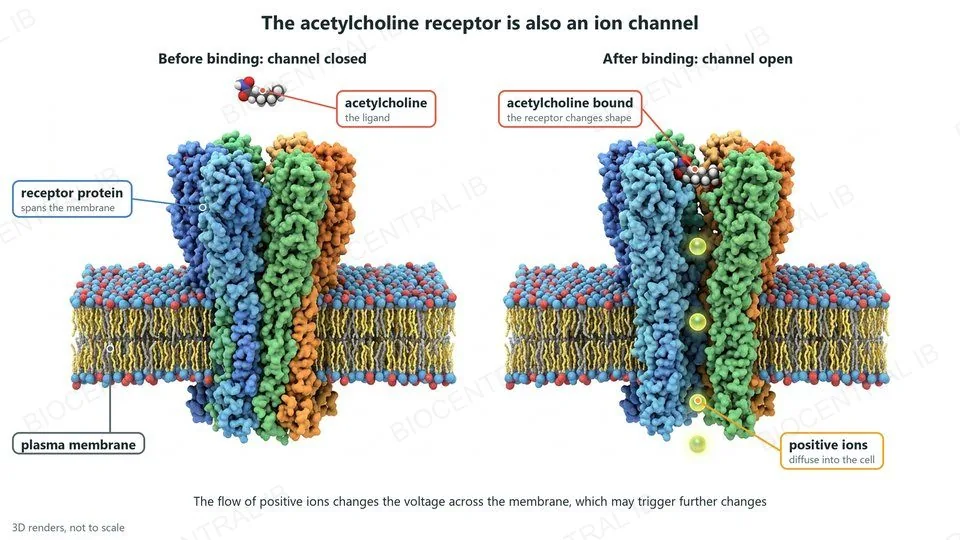
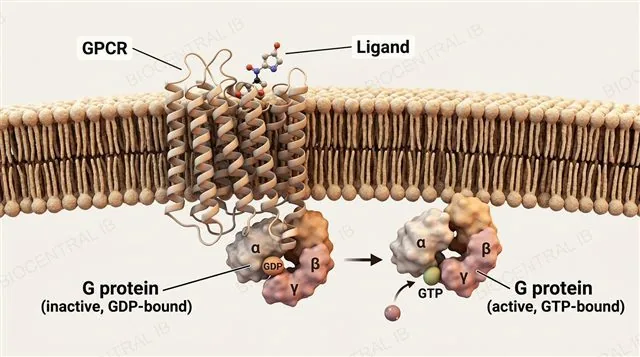
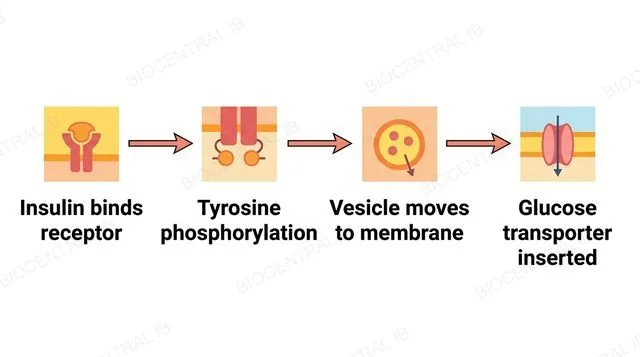
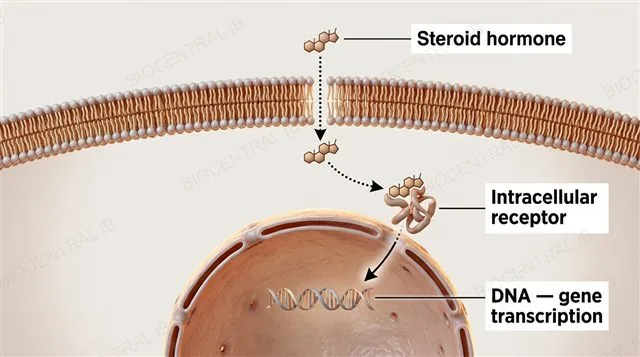
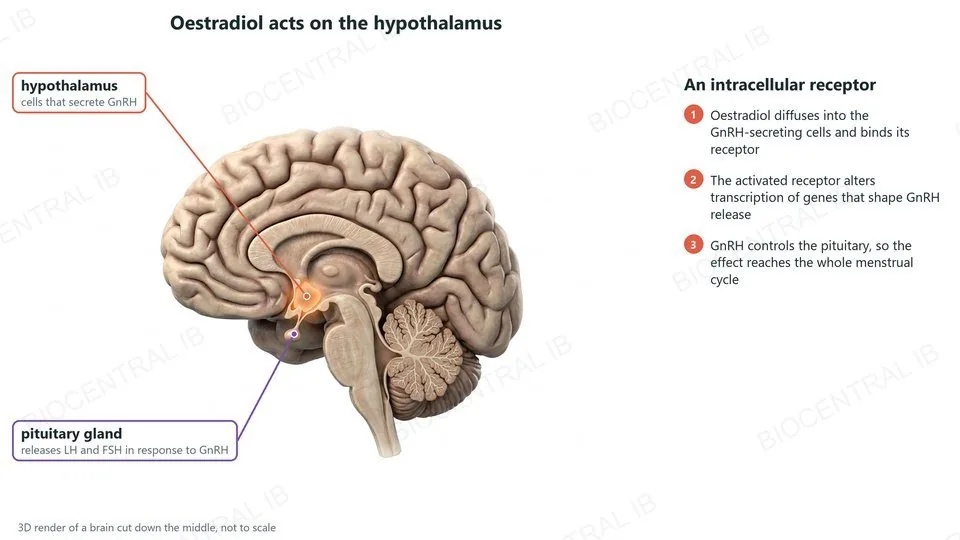
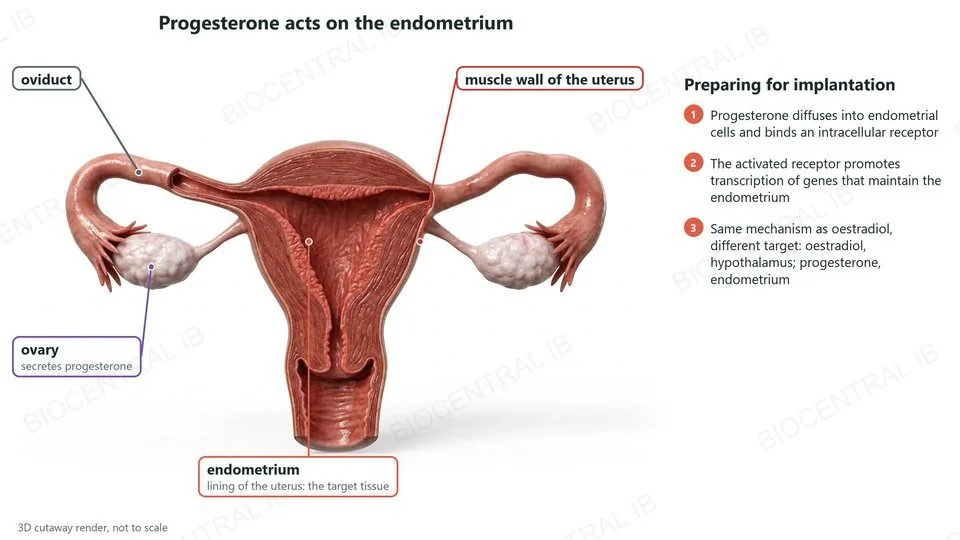
A receptor is a protein with a binding site whose shape and chemistry are complementary to a specific signalling chemical — the IB syllabus term for this signalling chemical is a ligand.
- A receptor's binding site only accepts a ligand, or a small family of closely related ligands, whose shape and chemical groups match it — in the same way an enzyme's active site is complementary to its substrate.
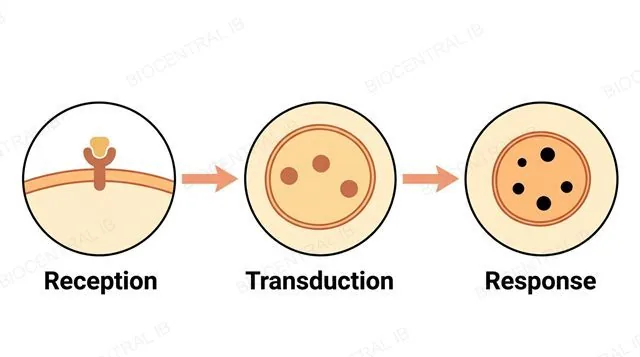
- Binding triggers a conformational change in the receptor, a shift in its three-dimensional shape, and it is this shape change — not the destruction of either molecule — that starts the cell's response.
Why it mattersA receptor is reused, not consumed: once its ligand detaches or is broken down, the receptor returns to its original shape and becomes available to bind another ligand.